Washed Flour Seitan
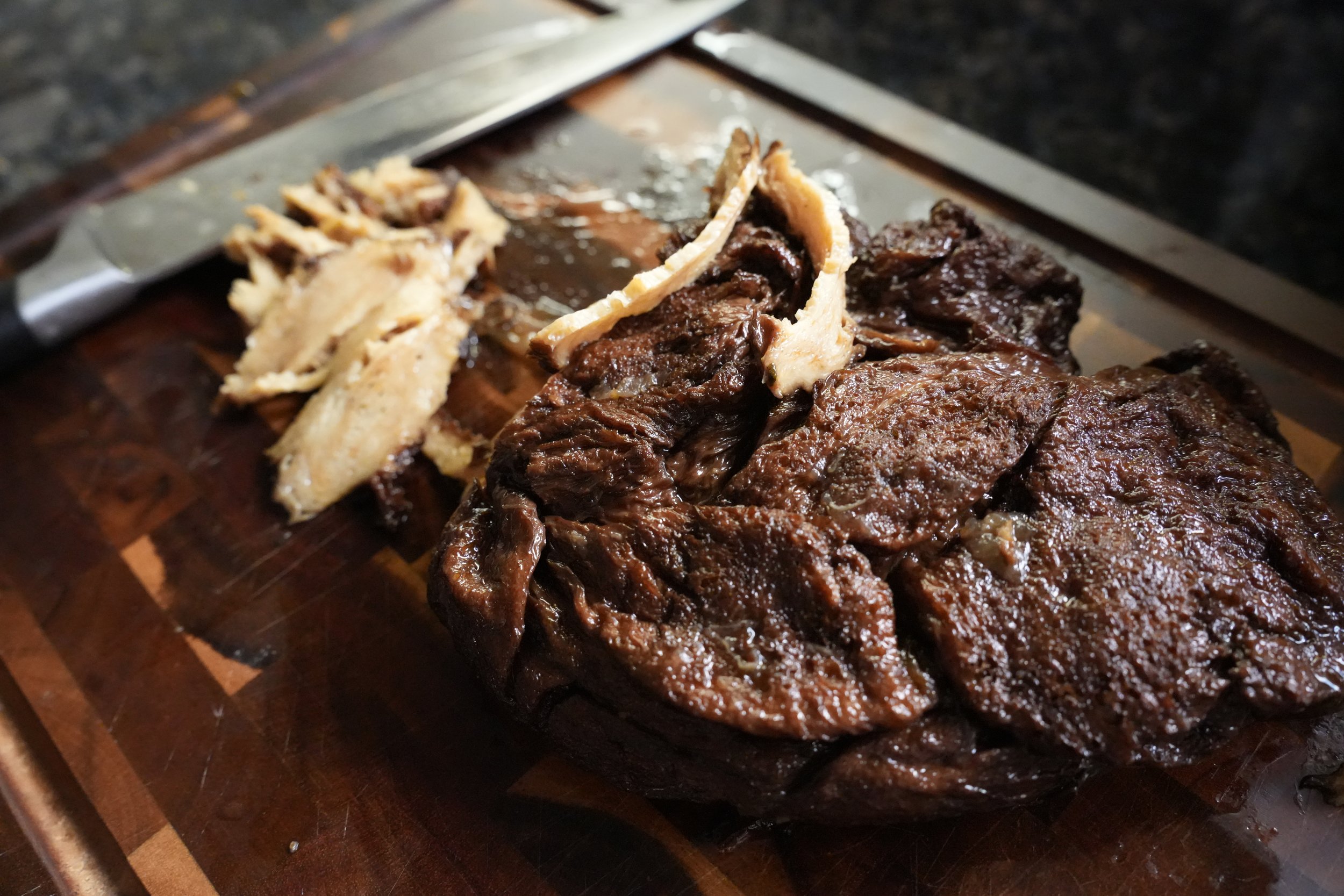
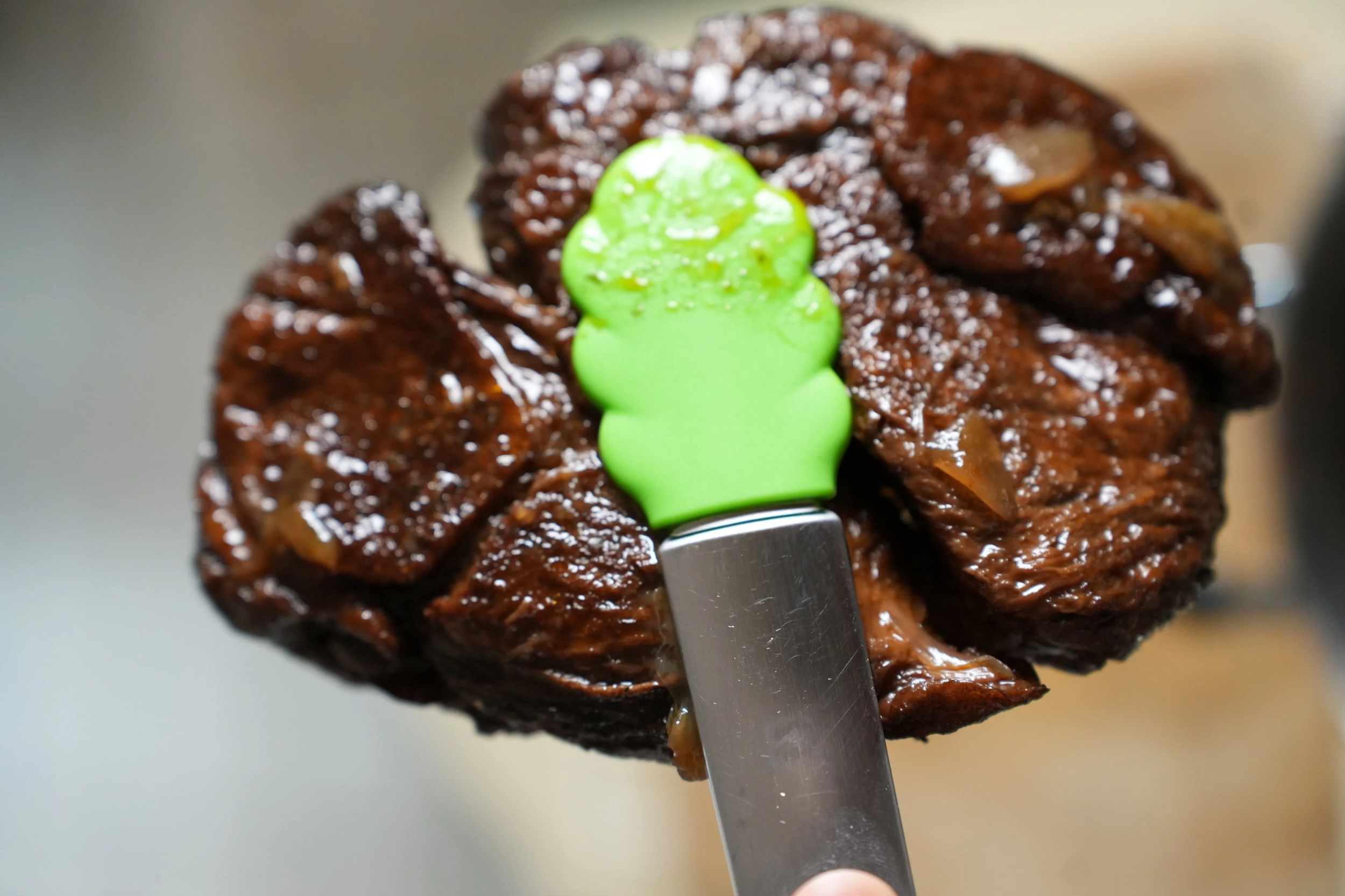
Aloha friends! I've been getting a lot of questions lately about how I actually make my seitan. I recently posted my base recipe using vital wheat gluten. Now I’ll show you how I do it the traditional way, also known as the “Washed Flour Method” (WTF).
While the VWG method is much faster and more convenient, I tend to gravitate to this recipe because of how therapeutic and grounding it is for me to make. I really feel connected to history and the ingredients when I take the time to produce seitan the old-fashioned way.
Grab a bag of flour and let's spawn some seitan!
What Is Washed Flour Seitan?
So as we know, seitan comes from wheat. Wheat flour is mostly starch, with a smaller amount of protein called gluten — the stuff that gives bread its chew. When you make a stiff dough and then wash it under water, the starch rinses away, and the gluten strands bind together into a stretchy, elastic mass. That's your seitan.
Preparation of Rites
For the dough:
2.5 kg (5 lb.) all-purpose or bread flour — bread flour has more protein, so it'll give you a slightly higher yield.
Water — enough to form a stiff dough (about 6 cups to start)
Salt — for the overnight soak
A large bowl or food-safe bucket
A colander or mesh strainer
For the broth
¼ cup soy sauce, or to taste
1 onion, quartered
1 carrot, roughly chopped
3 tablespoons miso paste, or to taste
water to cover seitan
The Ritual
Step 1: Make the dough
Dump your flour into a large bowl and slowly mix in water until you get a stiff, shaggy dough. It should be firm, not sticky. Knead it for a few minutes just until everything's combined.
Step 2: Soak
Submerge your rested dough in a bucket or bowl of salted water, fully covered. Let it sit overnight (8–12 hours).
Why salted water? Two reasons: it seasons the dough, and it helps with gluten formation.
Step 3: Wash
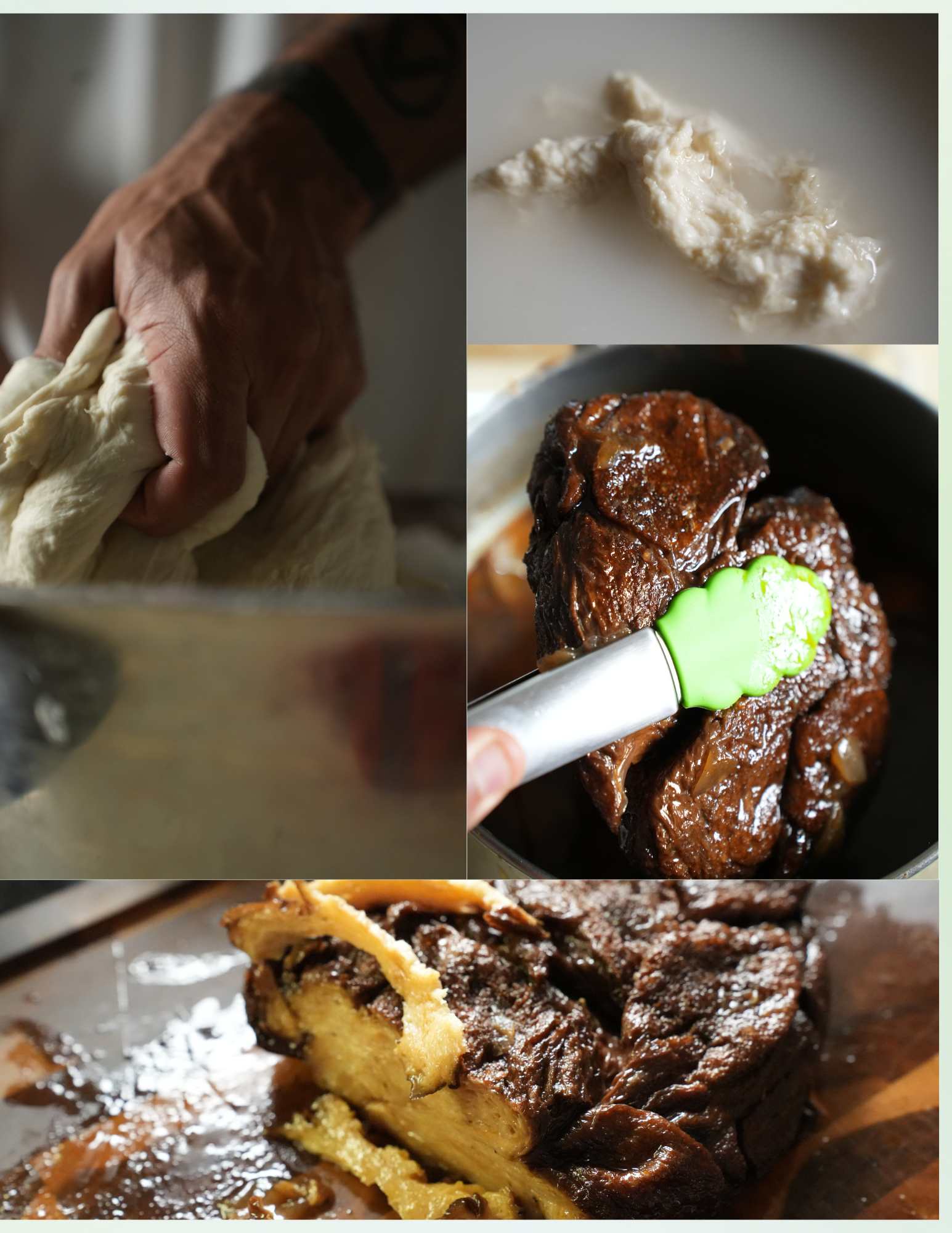
This is the fun, messy part. Drain the soaking water and add some fresh water to the bowl. Start kneading and squeezing the dough. You'll see a cloudy, milky liquid release. That's the starch. You can save it, if you’d like, for some liangpi noodles. Keep kneading, folding, and rinsing. I like to do this step with a salad spinner as it holds the dough well, and you can simply lift the strainer to change out your water.
At first, the dough will feel like it's falling apart into strings. This is normal, just continue to squeeze and knead the dough gently. As you go, the strands will pull back together into a smoother, stretchier, more elastic mass. You'll know you're close when the water is mostly clear, and the dough feels tight, bouncy, and holds together as one piece.
Step 4: Rest
Let your washed gluten rest for 30 minutes, or overnight if you can. This relaxes the gluten so it's easier to shape in the next step.
Step 5: Knot and season
Tear or cut your rested gluten into pieces and tie them into knots. Knotting is important for the texture; imagine you’re building a muscle! Your spawn will be happy you did. Season the knots directly before searing. I love using salt & pepper, or a dry rub.
Step 6: Sear
Heat oil in a pan over medium-high heat and sear your knots on all sides until golden brown. This step builds flavor and creates a barrier to prevent overexpansion.
Step 7: Simmer
In a pot, combine all of the broth ingredients (above). Bring to a simmer, add your seared knots, and let them cook low and slow. Be careful not to boil for the best texture! Simmer until the knots are tender and fully infused. This will usually take 45 minutes to an hour, depending on the size of your individual pieces. You’ll know when it’s done when the texture is firm to the touch. Let the seitan cool in the fridge overnight; this is important for texture, just like bread!
Notes
Storage: Keeps in the fridge for about 5 days in an airtight container. Seitan also freezes well! Portion it out before freezing so you're not thawing the whole batch at once.
Texture tip: The longer and more thoroughly you wash the dough in Step 3, the chewier and more "meaty" your final texture will be. The more starch you leave in, the more tender your seitan will be.
How to use: Slice or cut your seitan into chunks and saute in a pan with some olive oil, salt and pepper. It’ll develop a wonderful crust with a juicy interior. Enjoy it in tacos, stirfries, or curries.
Mahalo & Happy Eating!